Starbucks closed its fiscal year with the kind of quarter regulars can actually feel in the store. On Thursday, October 29, the company reported fourth quarter results for the 13 weeks ended September 27, 2026, and the headline was steady growth where it counts most: more people coming in, and a little more in the cup each visit.
Global comparable coffeehouse sales rose 7.2 percent in the quarter. That growth came from a 5.2 percent increase in average ticket and a 1.8 percent rise in comparable transactions. In the United States, comparable sales rose 7.7 percent, with transactions up 2.4 percent and ticket up 5.2 percent. North America as a whole did a touch better, up 7.9 percent.
Those numbers beat what Wall Street had penciled in. Adjusted earnings came in at 80 cents per share, up 54 percent from a year earlier and ahead of the roughly 72 cent estimate. Reported earnings per share were 59 cents, up sharply from 12 cents in the same quarter last year, when restructuring costs weighed heavily on results. Consolidated net revenue fell 4 percent to $9.1 billion, but Starbucks points to a specific reason for that drop rather than weaker demand: its retail business in China moved to a licensed joint venture model earlier in the year, which changes how that revenue shows up on the books.
A Stronger Quarter in the Stores
The full year tells a similar story. Global comparable sales rose 6.2 percent for fiscal 2026, with revenue up 2 percent to $37.9 billion and adjusted earnings per share up 28 percent to $2.72. Starbucks opened 303 net new coffeehouses in the fourth quarter alone, ending the period with 41,607 coffeehouses around the world.
Not every region moved at the same pace. International comparable sales rose just 0.9 percent in the quarter, as higher ticket was partly offset by a 2.8 percent decline in transactions. That softer international result is worth watching, especially since the company is counting on growth outside North America to lead its new store openings.
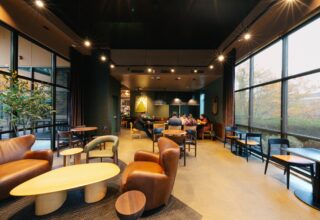
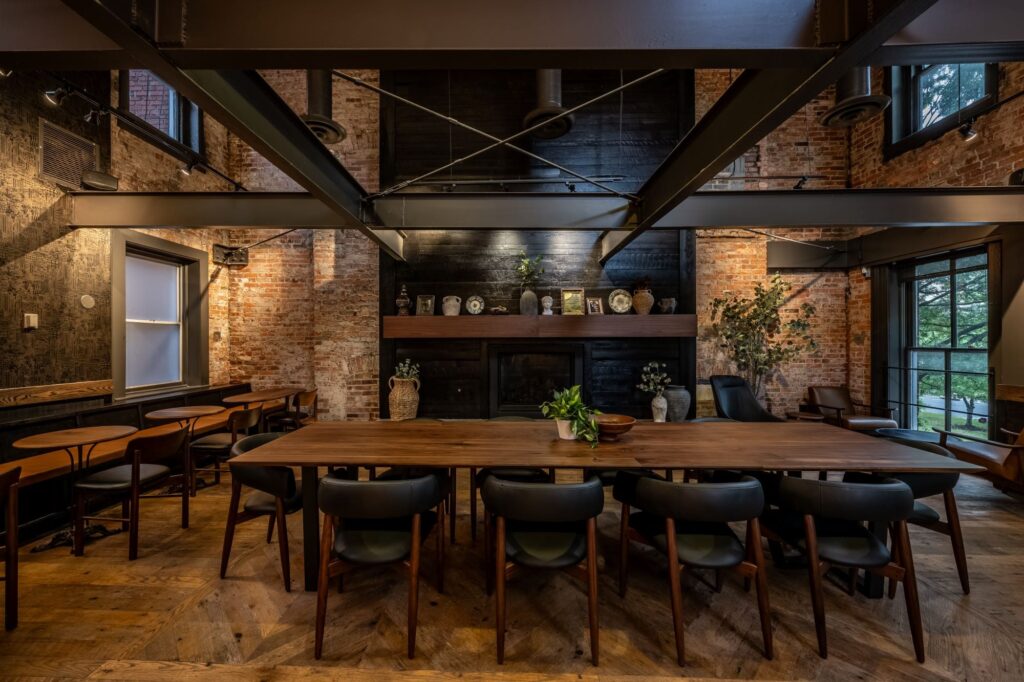
Starbucks also closed about 250 company-operated coffeehouses in North America in September, stores it said did not deliver the experience or financial performance expected of the brand. It is a reminder that the turnaround has involved pruning as well as building, and that the 1,500 coffeehouse uplifts rolling out across North America are part of the same plan: fewer underperforming rooms, warmer and more comfortable ones where customers want to linger.
What Comes Next in Fiscal 2027
Looking ahead, Starbucks introduced guidance for fiscal 2027, a 53-week year. It expects consolidated net revenue to decline about 1 percent, largely because of the China transition, with North America comparable sales growth of about 4 percent. Adjusted earnings per share are guided to $3.15 to $3.25, with a non-GAAP operating margin of 13.5 to 14.0 percent. The company also plans about 1,200 net new coffeehouses globally, led by international markets, and said it plans to resume share repurchases in fiscal 2027. Its board declared a quarterly dividend of 63 cents per share, payable November 27 to shareholders of record November 13.
Chairman and chief executive Brian Niccol summed up the shift in tone in a single line: “Back to Starbucks started as our turnaround plan. Now, it’s our growth plan.”
For those of us on the customer side of the counter, earnings reports can feel distant from the morning order. This one lands closer than most. The sales growth came from real visits and food and drink add-ons, not just price changes, and the plan for next year leans on the same fundamentals: better stores and steadier service. If that holds, the next year of Starbucks should feel less like a company fixing itself and more like one settling back into its rhythm.