Starbucks protein drinks have been on the menu for about five weeks now, and the first verdicts are in. Two registered dietitians told Fox News Digital what they make of the Protein Lattes and Protein Cold Foam that arrived on National Coffee Day, September 29, and their answer is a careful yes, with a few caveats regulars should hear. Meanwhile, a proposed class-action lawsuit filed in early October is questioning the sugar in some of the drinks marketed as sugar-free.
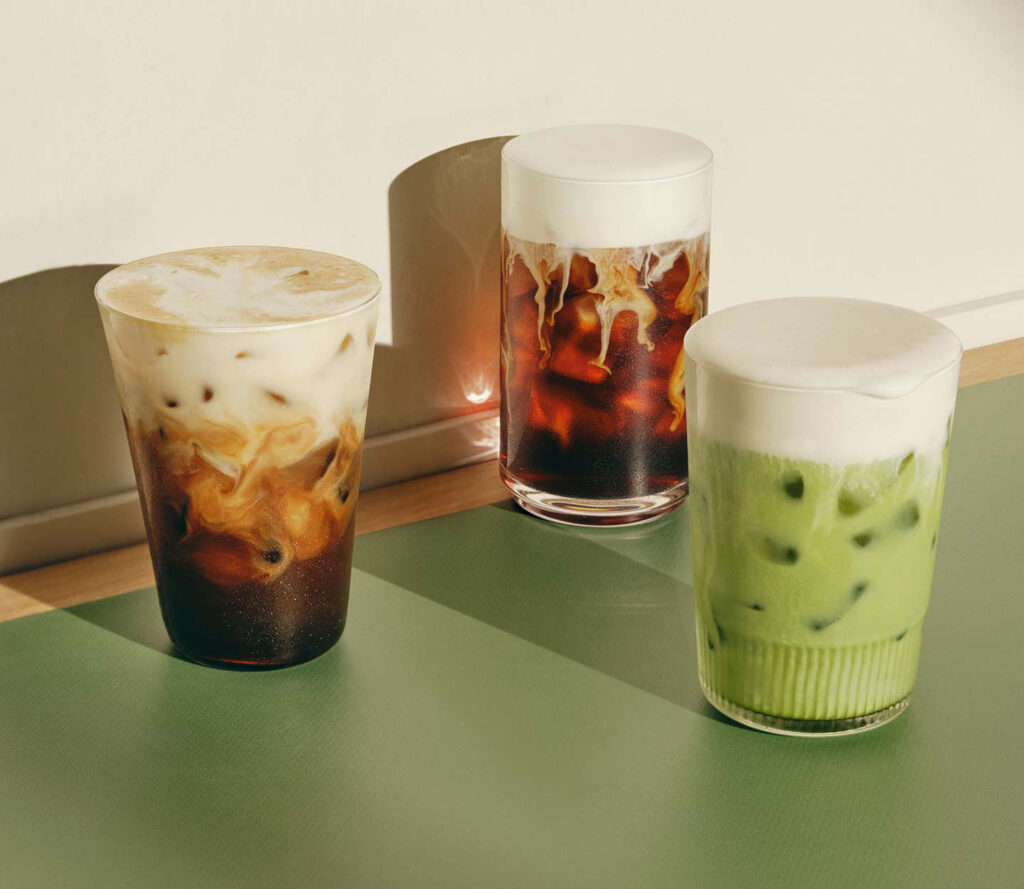
A quick refresher on what launched. Baristas blend 2% milk with whey protein every morning to make a protein-boosted milk, then build lattes on top of it. A grande carries between 15 and 36 grams of protein, depending on the drink, with the lattes at the higher end. Protein Cold Foam can top almost any cold drink instead, adding about 15 grams for roughly $2 extra, with prices varying by store. Flavors run from banana, vanilla, and chocolate to matcha, salted caramel, and brown sugar, plus a sugar-free vanilla. Tressie Lieberman, the company’s global chief brand officer, framed the launch as a direct answer to what customers keep asking for, part of the broader Back to Starbucks reset reshaping the menu this year.
What the dietitians said
Erin Palinski-Wade, a registered dietitian in New Jersey, said the extra protein could genuinely help people who skip breakfast and reach for coffee instead, since protein helps you feel fuller for longer. She puts a sensible target at around 20 to 30 grams of protein per meal. Tanya Freirich, a registered dietitian nutritionist in Charlotte who specializes in diabetes, agreed there can be a real benefit for people who struggle to get enough protein, including athletes and people taking GLP-1 medications.
Both of them drew the same line, though. A latte is not a meal, even a protein-packed one. Palinski-Wade pointed out that the drink is missing the fiber and antioxidants a balanced meal would give you, and Freirich added that caffeine, sugar, and protein powder alone are unlikely to keep you full for very long. Freirich also flagged the marketing side, noting research showing 70% of Americans are actively trying to eat more protein, though plenty already get more than they need. Their advice is the same one your grandmother would give: food first, with the protein latte as a convenient bump rather than a foundation.
The sugar question
The lawsuit is the sharper edge of the same conversation. Three customers filed the proposed class action in federal court in Washington state on October 2, arguing that some drinks marketed as sugar-free carry nearly as much sugar as a candy bar. The suit targets eight hot and iced protein beverages, including the Sugar-Free Vanilla Protein Latte, and says a venti can contain between 13 and 21 grams of sugar. Starbucks disputes the claims, saying they have no merit and that the sugar in the drinks comes naturally from the milk itself. The case is still in court, so the honest takeaway is a practical one. Check the nutrition panel in the app before you order, especially if sugar-free is the reason you picked the drink.
For regulars, the protein launch is probably best read as a customization win rather than a health revolution. If you already drink a latte every morning, the protein version gives you something extra without changing your routine. If you were hoping your coffee could quietly replace breakfast, the dietitians would gently disagree. Either way, it is a sign of where Starbucks is headed under Brian Niccol: more of what customers say they actually want, served in a cup they already recognize.
Sources:
- Gold Coast Accountants: Protein in your coffee? Starbucks pushes new lattes as experts react
- Stocktwits: Starbucks Draws Spotlight As It Looks To Capitalize On Customers’ Protein Craze: Here’s Everything To Know About The Launch
- Fox News: Starbucks hit with lawsuit over sugar content as experts reveal chain’s most sugary drinks
- Starbucks: Protein Lattes and Protein Cold Foam