For years, the Starbucks calendar has been built around big seasonal moments. Pumpkin Spice in the fall, holiday cups in December, and a rush of limited drinks in between. On the company’s October 29 earnings call, leaders said that rhythm is changing, at least in emphasis. The plan now is to lean harder on year-round platforms that customers can order in January just as easily as in July.
A platform, in this sense, is not one drink. It is a base idea that can carry many drinks. Protein is one example. Matcha is another. Energy Refreshers are a third, and the company pointed to food platforms as well, including its BiTEs line moving from a morning idea into the afternoon. Chief executive Brian Niccol told analysts that limited-time launches will still have a place, working alongside these platforms to drive visits and sales.
Matcha passed a big milestone
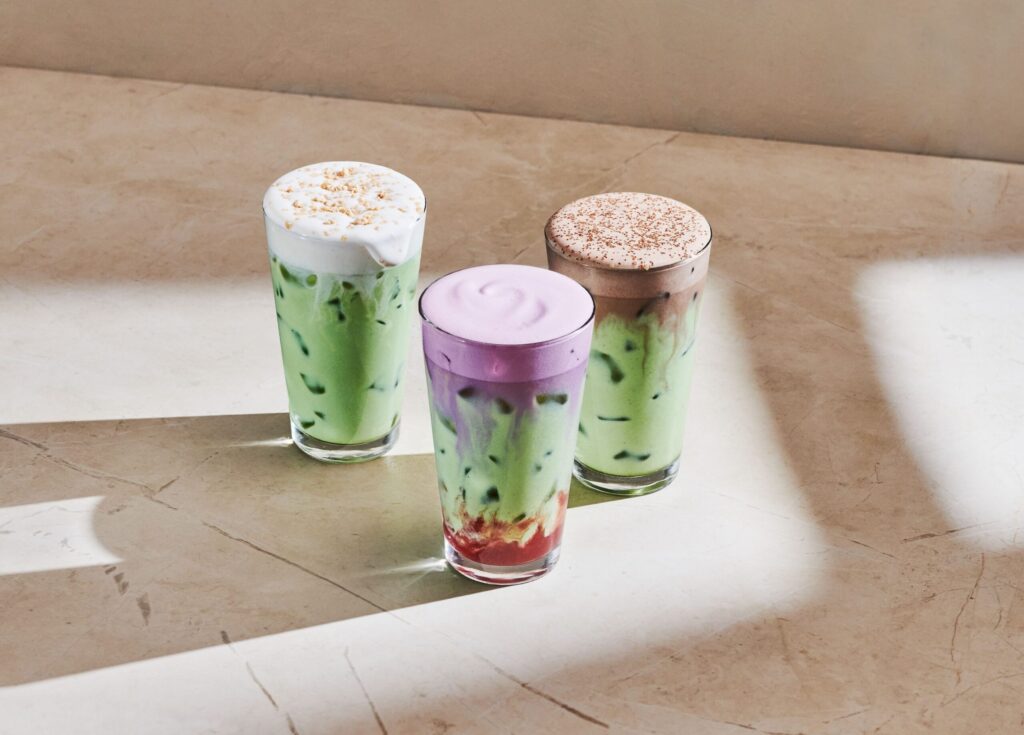
The clearest example on the call was matcha. Chief financial officer Cathy Smith said the matcha business is now worth more than $1 billion as a platform, and that it is growing strongly year over year. Starbucks did not break out separate matcha revenue for the quarter, and it did not give a reporting period for that $1 billion figure, so it is best read as a measure of the platform’s scale rather than a single quarter of sales.
Still, the arc is easy to follow. Matcha has been on the menu since the Green Tea Latte arrived in 2006. In 2023, there were four matcha drinks on the menu. By February 2026, Starbucks said its year-round matcha lineup had tripled, with options ranging from Protein Matcha to fruit-forward drinks such as Iced Double Berry Matcha and Iced Banana Bread Matcha. Unsweetened matcha powder, added in January 2025, gave customers more control over sweetness, which matters when a drink is meant to be customized rather than simply ordered as listed.
The afternoon is the other half of the story
The platform shift is closely tied to a second goal: building a real afternoon peak. Niccol said the company wants to stretch its morning rush and create a stronger afternoon period, and cold drinks are central to that effort. Smith noted that matcha is more often sought in the afternoon, with customers frequently adding cold foam. Caffeine-free Refreshers are contributing later in the day, while energy versions tend to sell more in the morning.
Food plays a part here too. Starbucks reported stronger afternoon food purchases after improving pastry and food displays, and Niccol pointed to food platforms as a way to give customers a reason to stop in after lunch, not just before work. For partners, that steadier rhythm could matter as much as any single drink. A menu that sells through the whole day, rather than spiking around a launch, makes staffing and prep more predictable.
Seasons are not disappearing
None of this means seasonal drinks are going away. The holiday menu arrives November 5, with the new Tiramisu Velvet drinks and returning favorites, and Starbucks has said limited-time ideas will continue alongside the platforms. What is changing is the balance. Instead of asking each season to carry the business, Starbucks wants platforms that keep selling once the seasonal buzz fades.
That is a quieter kind of news than a new drink launch, but it may shape what regulars see on the menu for a long time. If the plan works, your usual will still be there next month, next season, and next year, with new variations built on top of it rather than replacing it. For a company that built so much excitement around what comes next, learning to love what stays might be the most interesting turn yet.