The best compliment a regular can pay a coffeehouse is a simple one: it feels right in there. Starbucks chief operating officer Mike Grams seems to know it. In an interview with Restaurant Business Magazine, shared by Starbucks on October 19, Grams talked about becoming the world’s greatest customer service company, and why that effort keeps coming back to people.
Grams put the core idea plainly. Operational execution and human connection are not competing priorities, he said. They are inseparable. Every decision is supposed to start with one question: will this help our coffeehouses deliver a better experience for customers and partners?
More Partners on the Floor, With Room to Be Themselves
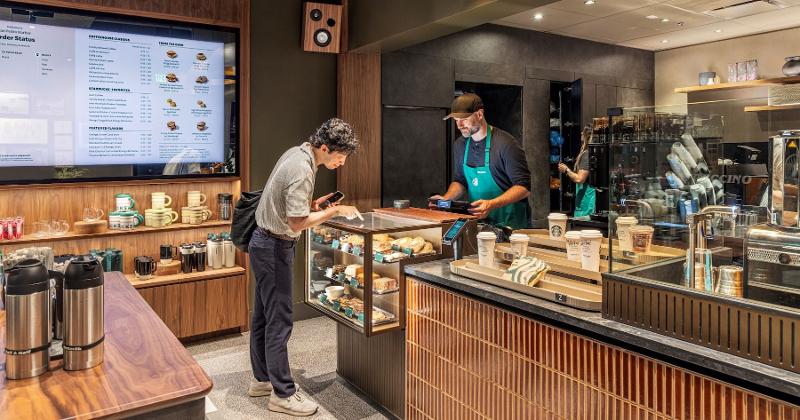
The working tool behind that idea is the Green Apron Service Model, put in place more than a year ago. It sets clearer standards for baristas while putting more partner hours into stores, and it lets coffeehouse leaders deploy those hours when their own store needs them most. Restaurant Business reports same store sales have been positive for three straight quarters, including a 7.9 percent gain in the fiscal third quarter ended in June. Nearly three quarters of customers now say they are at least likely to recommend Starbucks, up from 69 percent before the changes, citing Technomic data.
Grams was careful to say Green Apron Service is not a script. The goal, in his words, is to remove barriers that get in the way of human interaction, not to standardize it. If the work succeeds, customers will not talk about an operating model at all. They will simply say, “Starbucks feels like Starbucks again.” Anyone who has had a partner remember a usual order understands the moments he means: a warm welcome, a handwritten note on the cup, eye contact at handoff.
Technology in a Supporting Role
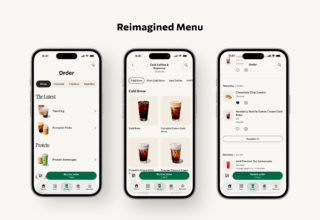
None of this is anti technology. Grams said technology should unlock the experience, not be the experience. The clearest example is Smart Queue, which sequences orders from the cafe, mobile app, drive thru, and delivery so one channel does not bury the bar in a sudden pile of drinks.
Leadership habits are part of the model too. Visiting company leaders put on an apron for a Coffeehouse Walk, talking with customers and partners and fixing problems on the spot. Grams also pointed to stability: the share of coffeehouse leaders in their role for two years or more rose seven points year over year last quarter, and he linked that steadiness to store performance.
Local Leaders Get More Say
One practical change may sound small until you have hit it as a customer. Coffeehouse leaders can now make more food ordering decisions based on what they know about their own store. Grams said food availability was close to 99 percent last quarter, and the rate at which customers added food to a drink order reached record levels. An empty pastry case at 9 a.m. colors a whole visit, so handing that call to the person who knows the rush is a sensible kind of trust.
Asked what a visit should feel like a year from now, Grams described something you can sense rather than measure: the temperature of the room, the music, comfortable seating, the sounds of a coffeehouse coming to life. He called it the Starbucks vibe. He was also honest that the company has made progress but has not arrived.
That honesty is part of why this interview landed with me. A turnaround is easy to announce and harder to feel, one store at a time. If your local Starbucks has started to greet you a little warmer lately, this is the system Starbucks credits for it. The real test stays where it always was, in whether tomorrow morning’s visit feels like a place that knows you.