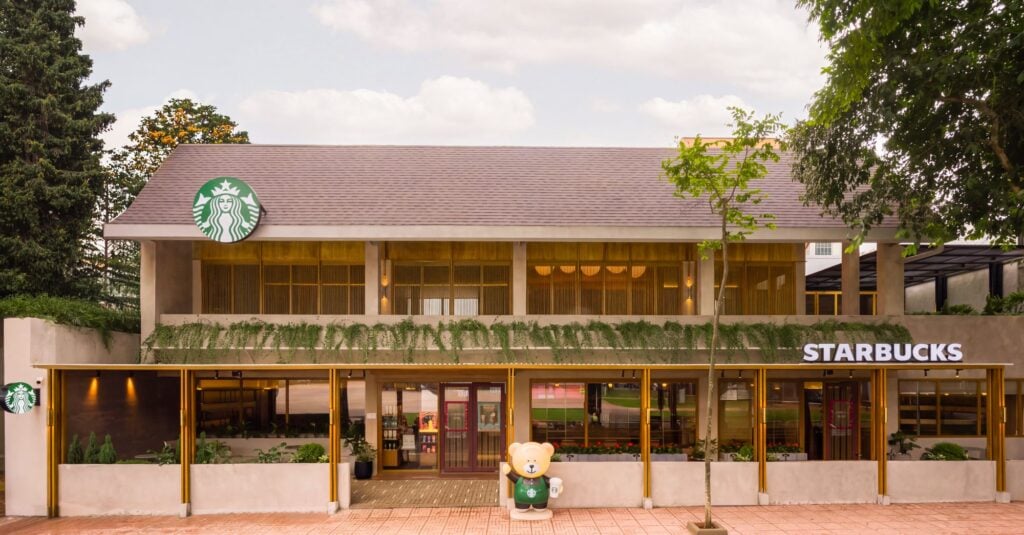
Starbucks has passed 6,000 coffeehouses across Asia Pacific, and it chose a fitting place to mark the moment. The milestone store, Starbucks Ly Nam De, just opened in Buon Ma Thuot, a city in Vietnam’s Central Highlands where much of the country’s coffee story begins.
The count now stands at 6,022 coffeehouses across 16 markets, up 13 percent from 5,303 three years ago. More than 700 new coffeehouses joined the region in that stretch. Every day, the region’s stores serve more than 2.8 million customers, with help from more than 62,000 green apron partners and the licensing partners who run many of the stores.
Starbucks has been in Asia Pacific since December 1996, when its first coffeehouse in the region opened in Singapore. Nearly thirty years later, the region spans Australia, South Korea, Taiwan, Thailand, the Philippines, India, Indonesia, Malaysia, Vietnam and more. Mainland China and Japan sit outside that count, which makes the 6,000 figure a story about the rest of the region finding its own rhythm.
“Surpassing 6,000 coffeehouses is a meaningful moment in our nearly 30-year journey in Asia Pacific,” said Chanda Beppu, president of Starbucks Asia Pacific. She called marking it in Buon Ma Thuot especially fitting, since so much of Vietnam’s coffee story begins there.
A Store Shaped by the Rong House
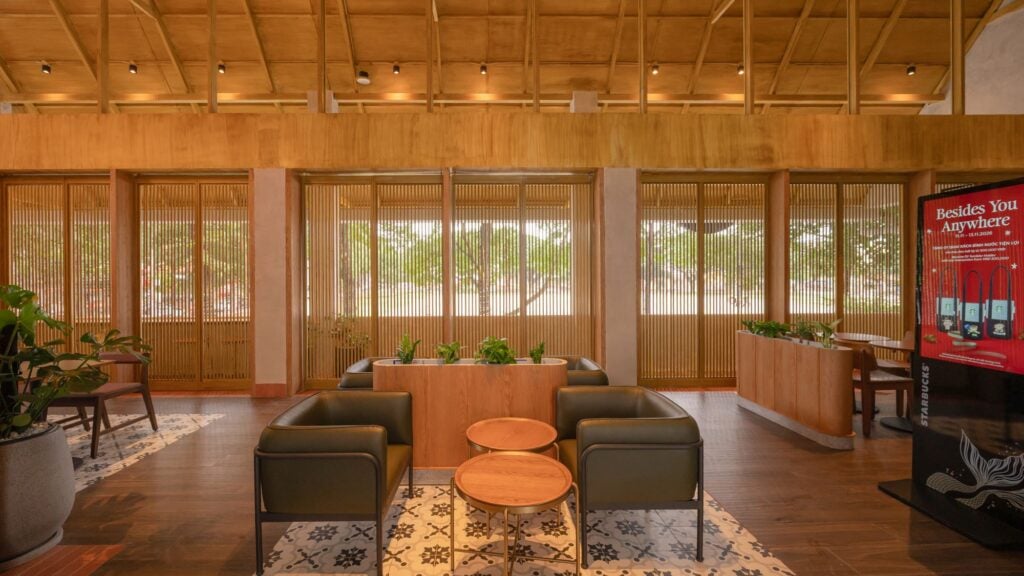
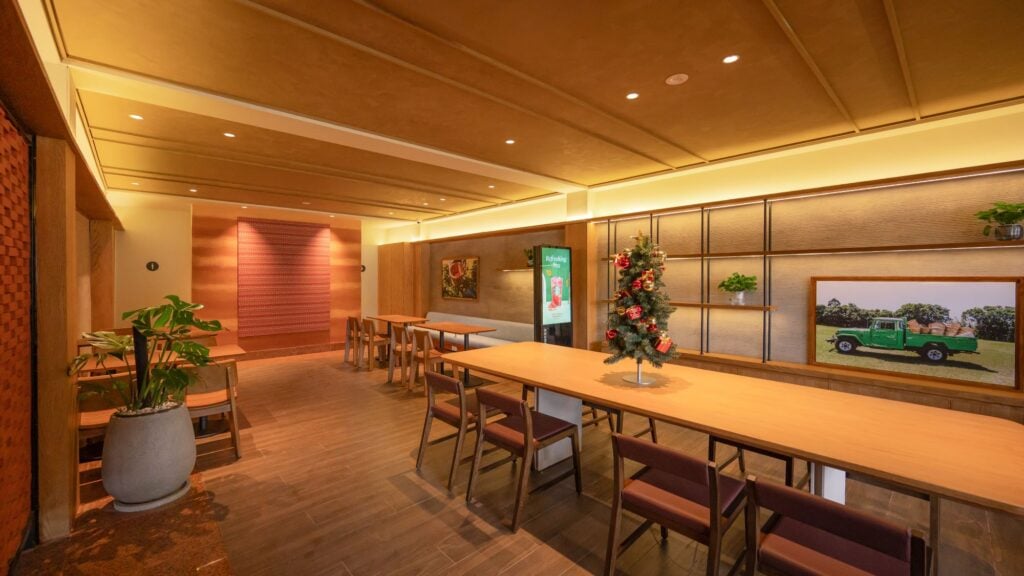
Ly Nam De is the first Starbucks in Buon Ma Thuot, and the building wears its setting plainly. Locally sourced materials and artwork inspired by traditional weaving run through the space, and the architecture nods to the Rong house, the tall-roofed communal gathering place found across parts of the Central Highlands. The idea is a store that feels familiar to any Starbucks regular and unmistakably of its place at the same time.
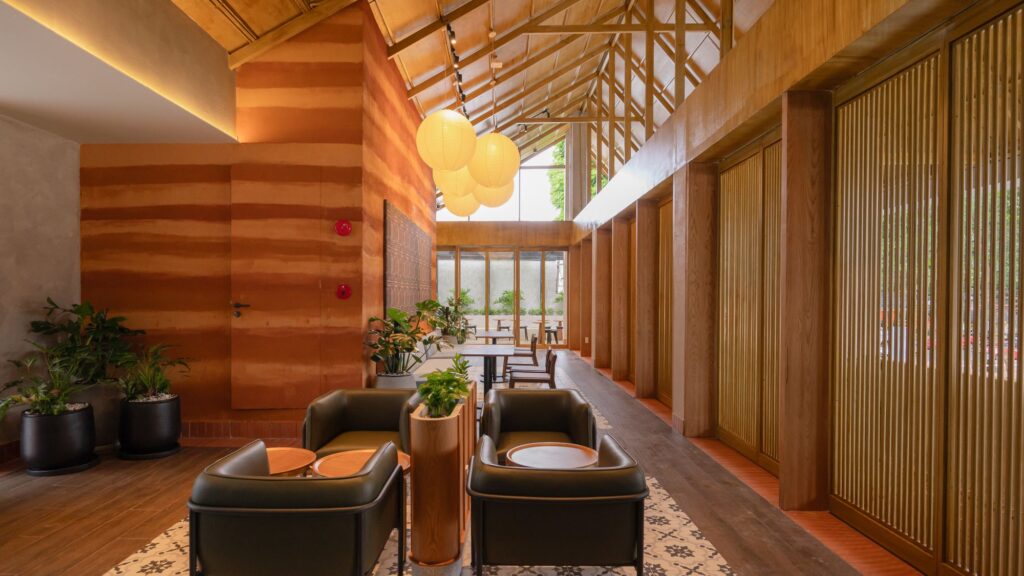
It is part of a wider pattern across the region. Starbucks has been opening destination coffeehouses in spots travelers already seek out, including a restored forestry site in Taiwan, a Reserve store overlooking Taal Volcano in the Philippines, and a historic riverside building in Kampot, Cambodia. Each one is built to fit the place it sits in, rather than the other way around.
Smaller Formats, Wider Reach
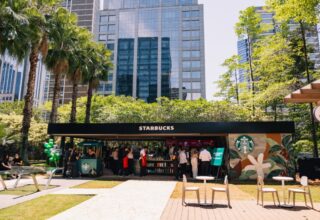
The milestone is not only about big destination stores. Starbucks is also leaning on smaller, more flexible formats to reach customers where a full coffeehouse does not quite fit. In Seoul, a commuter-focused store pairs mobile ordering and quick pickup with room to sit. A smaller store at Vientiane Station in Laos serves travelers on the China-Laos high-speed railway. And in Vietnam, a Starbucks mobile coffee truck brings the menu to concerts, events and community gatherings, with plans to try the idea in more markets across the region.
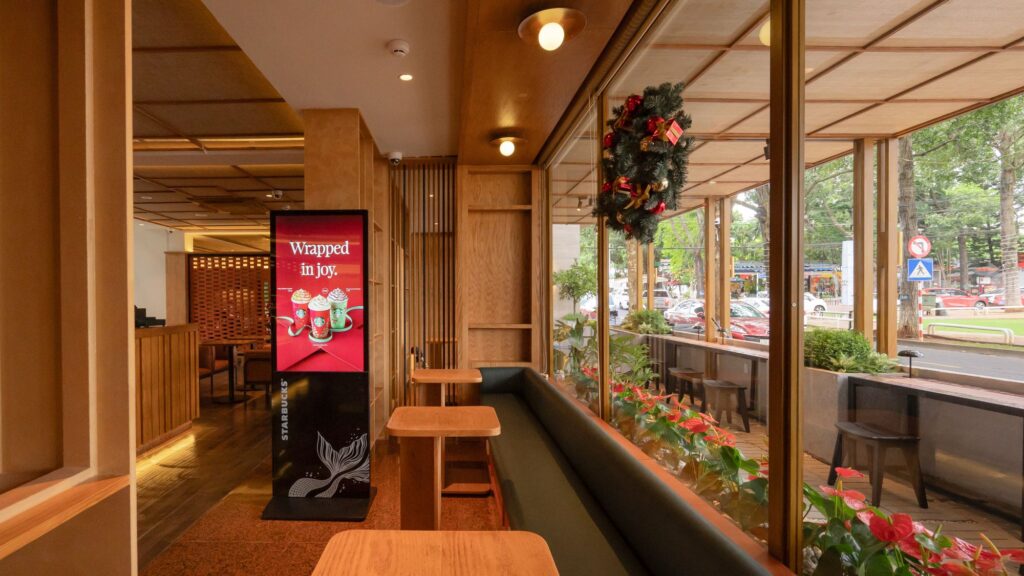
That mix says something about where the region is headed. The neighborhood coffeehouse is still the heart of it, but the company is finding ways to show up on a commute, at a station, or at a festival too.
For a region that started with a single store in Singapore in 1996, 6,000 coffeehouses is a long way to have come. The next chapter looks less like a race for a bigger number and more like a search for the right store in the right place, whether that is a landmark in the coffee highlands or a truck pulling up where the crowd already is.
Sources: